What is Measles?
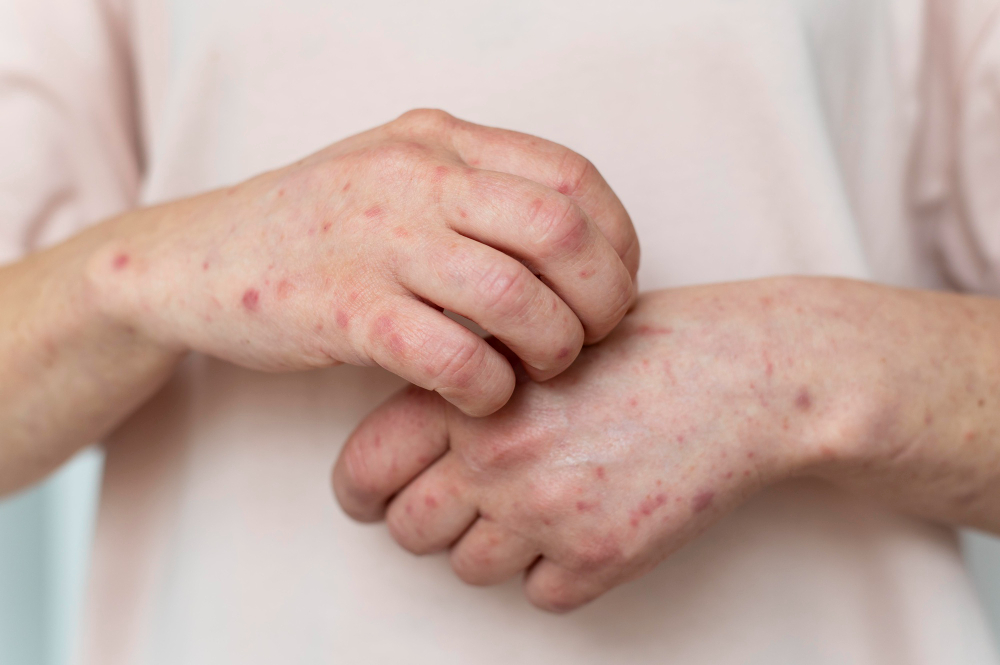
Measles in children is a highly contagious viral infection. It mainly affects young kids but can spread to anyone who is not vaccinated. The disease causes a rash, fever, and other symptoms. According to the World Health Organization (WHO), measles can lead to serious health problems, especially in young children. Because it spreads easily, quick action is important.
Symptoms of Measles in Children
Early signs of measles in children often look like a common cold. However, the symptoms soon become more serious. Watch for these signs:
Usually, the rash appears three to five days after the first symptoms. The rash often lasts about a week. If your child shows these signs, seek medical help right away.
Causes and How Measles Spreads
Measles is caused by a virus. It spreads through the air when an infected person coughs or sneezes. Because the virus can live in the air for up to two hours, it is easy to catch. Children who are not vaccinated are at the highest risk. In crowded places, the virus spreads even faster. For this reason, outbreaks can happen in schools or daycare centers.
Diagnosis of Measles
Doctors usually diagnose measles in children by looking at the symptoms and rash. Sometimes, they may order a blood test to confirm the infection. Early diagnosis helps prevent the spread of the disease. If you think your child has measles, contact your doctor as soon as possible. Quick action can protect others in your home and community.
Treatment Options for Measles
There is no specific medicine to cure measles. However, most children recover with proper care at home. Doctors may suggest:
Sometimes, measles can cause serious problems like ear infections, pneumonia, or brain swelling. If your child has trouble breathing, a stiff neck, or seizures, seek emergency care right away.
Prevention and Vaccination
The best way to prevent measles in children is through vaccination. The measles vaccine is safe and very effective. Children usually get the first dose at 12-15 months old and a second dose at 4-6 years old. In many countries, the vaccine is part of the MMR shot, which also protects against mumps and rubella. Because the vaccine helps stop outbreaks, it protects your child and others in your community. If you live in an area with recent measles cases, check your child’s vaccination status right away.
Tips for Parents
As a parent, you can help keep your child safe from measles. Here are some simple tips:
Remember, early action and vaccination are the best ways to protect your child from measles.
If you suspect measles in your child, consult a pediatrician at Dr. Srikanth Children Clinic for personalized advice and care.