What is Neonatal Jaundice?
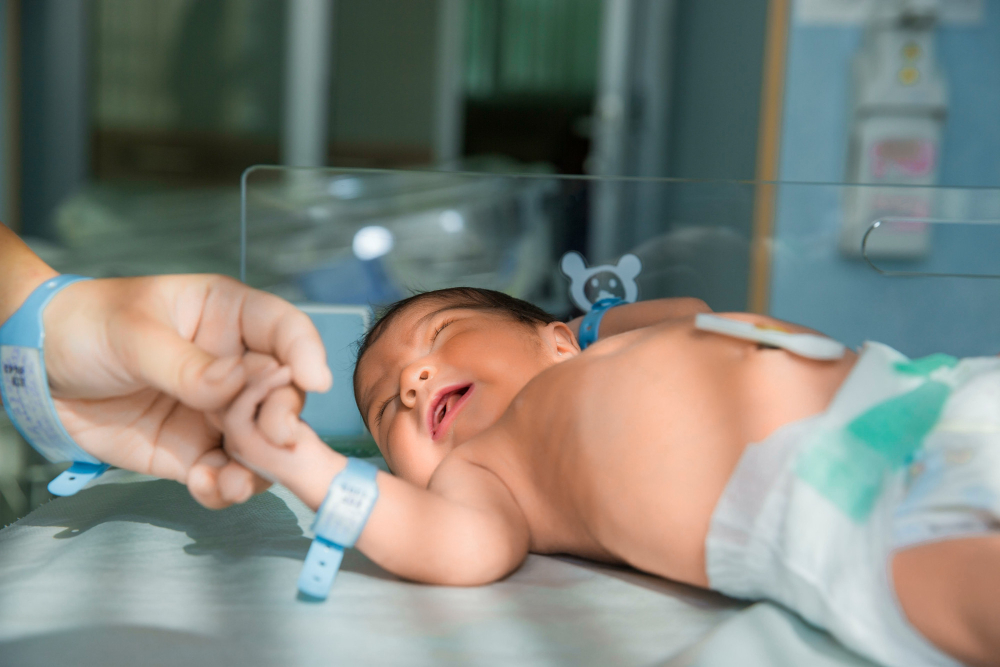
Neonatal jaundice is a common condition in newborns. It causes a yellow color in the skin and eyes. This happens when there is too much bilirubin in the baby’s blood. Bilirubin is a yellow substance made when red blood cells break down. Most cases of neonatal jaundice in newborns are mild and go away on their own. However, some babies need medical care. According to the World Health Organization, about 60% of full-term and 80% of preterm babies develop jaundice in the first week of life.
Common Symptoms
It is important to know the signs of jaundice in babies. Early detection helps prevent problems. Look for these symptoms:
Sometimes, symptoms may be hard to spot. But if you notice any of these, talk to your doctor right away.
Causes and Risk Factors
Neonatal jaundice in newborns has several causes. Most often, it is due to the baby’s liver not being fully developed. This makes it hard to remove bilirubin quickly. Other causes and risk factors include:
For example, babies with East Asian or Mediterranean backgrounds may have a higher risk. In addition, babies who do not feed well in the first days are more likely to develop jaundice.
Diagnosis and Tests
Doctors use several ways to check for neonatal jaundice in newborns. First, they look at the baby’s skin and eyes. Next, they may use a special device to measure bilirubin through the skin. If needed, a blood test can confirm the bilirubin level. The doctor may also check for underlying causes, such as infections or blood type issues. Early diagnosis helps prevent serious problems, so regular newborn check-ups are important.
Treatment Options
Treatment for neonatal jaundice depends on how high the bilirubin level is. Most mild cases get better without treatment. However, some babies need extra care. Common treatments include:
Doctors follow guidelines from the American Academy of Pediatrics and the CDC to decide on treatment. Most babies respond well and recover quickly.
Home Care and Prevention Tips
There are simple steps parents can take to help prevent or manage jaundice in infants:
Although most cases are mild, early action can prevent complications. For example, making sure your baby gets enough milk helps lower bilirubin levels.
When to Seek Medical Help
Sometimes, jaundice can become serious. Seek medical help right away if your baby:
Early treatment can prevent brain damage and other problems. Therefore, do not wait if you are worried about your newborn.
In summary, neonatal jaundice in newborns is common and often mild. But it is important to watch for symptoms and follow your doctor’s advice. Consult a pediatrician at Dr. Srikant Children Clinic for personalized guidance if you notice signs of jaundice in your newborn.