What is Diarrhea in Children?
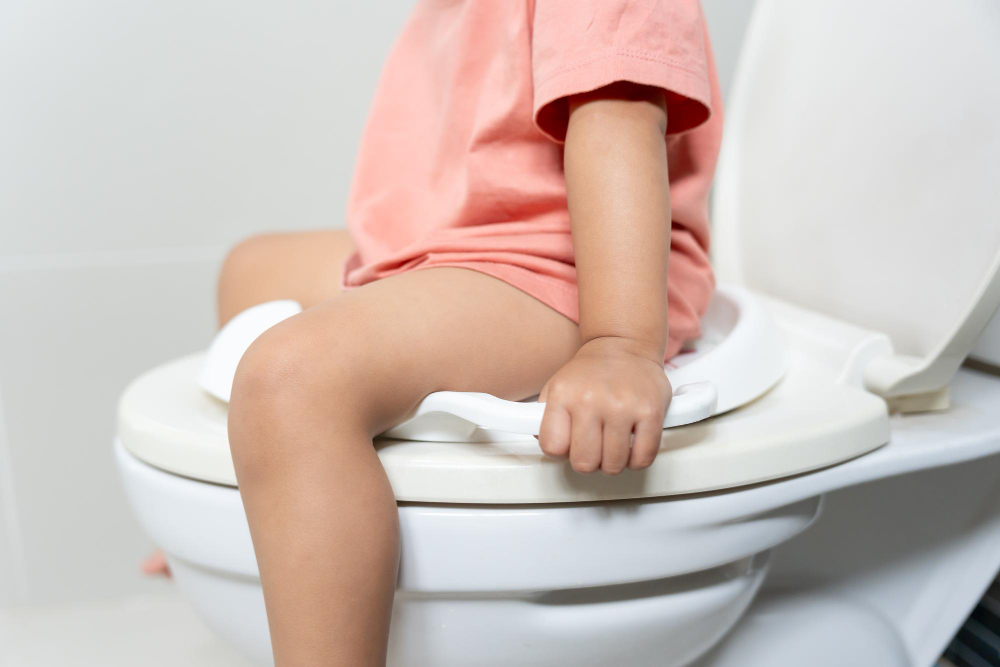
Diarrhea in children means your child has loose or watery stools more often than usual. Often, this condition lasts a few days, but sometimes it can last longer. Because diarrhea in children can lead to dehydration, it is important to watch your child closely. According to the World Health Organization (WHO), diarrhea is a leading cause of illness in children worldwide. Early care can help prevent serious problems.
Common Symptoms
Children with diarrhea may show several signs. Some symptoms are mild, while others can be more serious. For example, you may notice:
However, if your child has blood in the stool, high fever, or shows signs of dehydration, seek medical help right away.
Main Causes
There are many pediatric diarrhea causes. Most often, infections are to blame. But, other reasons can also lead to diarrhea in children. Common causes include:
Sometimes, stress or changes in diet can also cause diarrhea in children.
How Diarrhea is Diagnosed in Children
Doctors use several steps to diagnose diarrhea in children. First, they ask about your child’s symptoms and medical history. Next, they may do a physical exam. In some cases, the doctor might order tests, such as:
Usually, most cases of diarrhea in children do not need many tests. But, if symptoms last more than a few days or are severe, more tests may be needed.
Treatment Options
Treating child diarrhea at home is possible in many cases. The main goal is to prevent dehydration. Here are some steps you can take:
However, you should see a doctor if your child:
Doctors may give medicine if a bacterial infection or parasite is found. But, most cases of diarrhea in children get better without antibiotics.
Prevention Tips and Lifestyle Guidance for Parents
Preventing diarrhea in children is possible with some simple steps. For example, you can:
Additionally, keeping your home clean and teaching good hygiene habits can help lower the risk of infections. If you travel to new places, be extra careful with food and water.
When to See a Doctor for Child Diarrhea
Sometimes, diarrhea in children can become serious. You should contact a doctor if your child:
Early treatment can prevent complications. The Centers for Disease Control and Prevention (CDC) recommends seeking medical help if you are unsure.
Conclusion
In summary, diarrhea in children is common but can be managed with proper care. Watch for warning signs and keep your child hydrated. Consult a pediatrician at Dr. Srikant Children Clinic for personalized advice if your child has diarrhea.