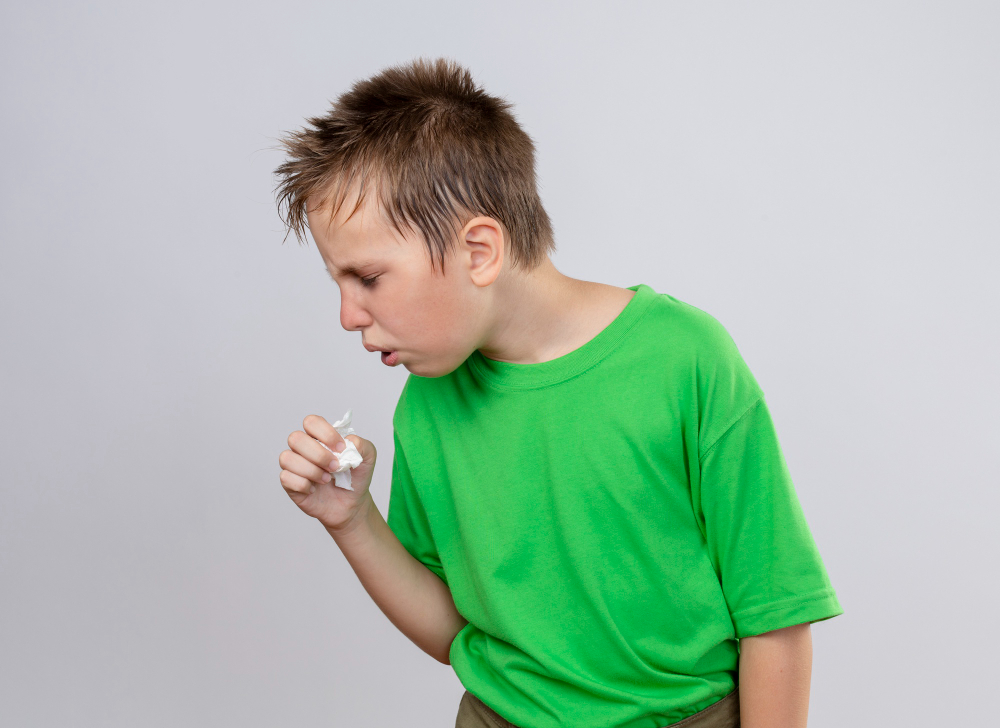
Bronchitis in children is a common respiratory infection. It happens when the airways in the lungs, called bronchi, become inflamed. This swelling makes it hard for your child to breathe easily. Often, bronchitis in children starts after a cold or flu. Many parents worry when their child has a persistent cough. However, most cases of pediatric bronchitis are mild and get better with care at home. Understanding the signs, causes, and treatment options can help you support your child’s recovery.
What is Bronchitis in Children?
Bronchitis in children means the tubes that carry air to the lungs are swollen. This swelling causes coughing and sometimes trouble breathing. Usually, bronchitis is caused by a virus. Sometimes, bacteria can also cause it. Pediatric bronchitis is more common in the winter months. Children under five are more likely to get it. The illness can last from a few days to a couple of weeks. Most children recover without problems, but some may need medical care.
Common Symptoms of Bronchitis in Children
Children with bronchitis often show several signs. Early recognition helps parents seek the right care. Common symptoms include:
Sometimes, symptoms can look like asthma or pneumonia. Therefore, it is important to watch your child closely.
Causes and Risk Factors
Most cases of bronchitis in children are caused by viruses, such as those that cause the common cold or flu. However, bacteria can also be a cause, though it is less common. Several risk factors can increase the chance of your child getting bronchitis:
According to the CDC, children exposed to secondhand smoke have a higher risk of respiratory infections. Therefore, keeping your home smoke-free is important.
How is Bronchitis Diagnosed in Children?
Doctors diagnose bronchitis in children by asking about symptoms and doing a physical exam. They listen to your child’s chest with a stethoscope. Sometimes, the doctor may order a chest X-ray or a test for other infections. However, most of the time, tests are not needed. If your child has a high fever or trouble breathing, the doctor may check for pneumonia or asthma. Early diagnosis helps guide the right treatment.
Treatment Options for Bronchitis in Children
Most cases of bronchitis in children get better on their own. Because viruses cause most cases, antibiotics are usually not needed. Treatment focuses on easing symptoms and helping your child rest. Common treatment options include:
Sometimes, if your child has wheezing, the doctor may suggest an inhaler. However, always follow your pediatrician’s advice before giving any medicine.
Home Care and Lifestyle Tips
There are several ways you can help your child feel better at home. For example, you can:
Although cough medicines are available, they are not recommended for young children. Always check with your doctor before using any over-the-counter remedies.
Prevention of Bronchitis in Children
While you cannot prevent all cases, you can lower your child’s risk of bronchitis. Try these prevention tips:
Good hygiene and a healthy lifestyle help protect your child from many respiratory infections, including pediatric bronchitis.
When to See a Doctor
Most children recover from bronchitis without problems. However, you should call your doctor if your child:
Early medical care can prevent serious problems. Therefore, do not wait if you are worried about your child’s health.
In summary, bronchitis in children is usually mild but can be uncomfortable. Most children recover with rest and care at home. However, always consult a pediatrician at Dr. Srikant Children Clinic for personalized advice if your child shows symptoms of bronchitis.